
Introduction
Maintaining the right temperature and air circulation inside a greenhouse is crucial for plant growth and productivity. While heating systems are essential for winter, proper ventilation ensures a balanced climate year-round. Jet heaters are commonly associated with warming greenhouses, but they also play a significant role in ventilation and air circulation.
By strategically using jet heaters in greenhouse ventilation, growers can:
✅ Improve air circulation to reduce temperature fluctuations
✅ Prevent humidity buildup and minimize mold risks
✅ Enhance CO₂ distribution for optimal plant photosynthesis
✅ Increase energy efficiency by reducing heat loss
In this guide, we will cover:
✔ How jet heaters contribute to greenhouse ventilation
✔ The types of jet heaters used in greenhouses
✔ The benefits of using jet heaters for ventilation
✔ Installation and maintenance best practices
✔ Energy efficiency and cost-saving strategies
What Are Jet Heaters and How Do They Improve Ventilation?
Understanding Jet Heaters
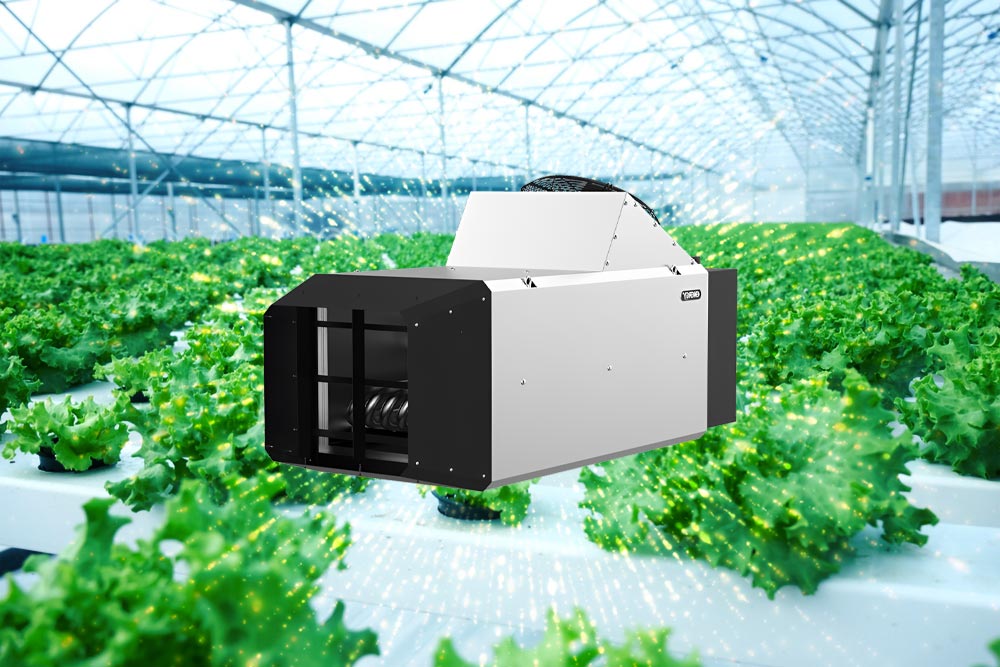
Jet heaters are high-powered forced-air heaters designed to distribute warm air efficiently. Unlike traditional heating systems, jet heaters use high-velocity air movement to push warm air across long distances, making them ideal for large commercial greenhouses.
How Jet Heaters Contribute to Greenhouse Ventilation
In addition to heating, jet heaters enhance greenhouse ventilation by:
🔥 Improving Air Circulation – Jet heaters create a strong airflow, preventing stagnant air pockets.
💨 Regulating Humidity – By moving air efficiently, they help reduce excess moisture that leads to mold.
🌱 Distributing CO₂ Evenly – Proper air mixing ensures plants receive adequate CO₂ levels for photosynthesis.
🌬 Reducing Temperature Variations – Jet heaters ensure a uniform temperature across the greenhouse, preventing cold spots.
Types of Jet Heaters Used in Greenhouse Ventilation
Not all jet heaters are the same. Here are the most common types used in greenhouse ventilation and heating:
1. Gas-Powered Jet Heaters
🔹 Fuel Type: Propane or natural gas
🔹 Best for: Large commercial greenhouses
🔹 Advantages:
✔ Powerful airflow for large spaces
✔ Cost-effective compared to electric models
✔ Works efficiently in cold climates
2. Electric Jet Heaters
🔹 Fuel Type: Electricity
🔹 Best for: Medium to small greenhouses
🔹 Advantages:
✔ Zero emissions, making them eco-friendly
✔ Lower maintenance than fuel-based models
✔ Safe for indoor use without ventilation concerns
3. Diesel Jet Heaters
🔹 Fuel Type: Diesel
🔹 Best for: Outdoor and semi-open greenhouses
🔹 Advantages:
✔ High heat output for extreme weather conditions
✔ Works well for temporary or mobile setups
4. Hybrid Jet Heaters with Ventilation Controls
🔹 Fuel Type: Combination of gas and electricity
🔹 Best for: Smart greenhouses with automated systems
🔹 Advantages:
✔ Automatically adjusts airflow based on climate needs
✔ Energy-efficient, reducing fuel consumption
Key Benefits of Using Jet Heaters in Greenhouse Ventilation
Using jet heaters for ventilation has multiple advantages beyond just heating. Here’s why they are essential:
1. Preventing Humidity-Related Plant Diseases
High humidity in greenhouses can lead to fungal infections and mold growth.
Jet heaters reduce moisture levels by enhancing airflow, preventing condensation buildup.
2. Enhancing CO₂ Distribution for Better Plant Growth
Plants need CO₂ for photosynthesis, but poor airflow leads to uneven CO₂ levels.
Jet heaters circulate CO₂ evenly, ensuring optimal photosynthetic activity.
3. Reducing Cold Spots and Temperature Variations
Traditional heating systems often create warm and cold zones.
Jet heaters distribute warm air uniformly, preventing plant stress and uneven growth.
4. Increasing Energy Efficiency and Reducing Costs
By optimizing air circulation, jet heaters reduce heat loss, lowering fuel consumption.
Hybrid models with automated controls improve efficiency by adjusting ventilation dynamically.
How to Install Jet Heaters for Optimal Greenhouse Ventilation
Proper installation of jet heaters is essential to maximize air circulation, temperature control, and efficiency. A poorly installed system may lead to uneven heating, excessive humidity, or high energy costs. Below are the key steps for a successful jet heater setup in greenhouse ventilation.
1. Determine the Best Placement for Jet Heaters
✅ Position the heater near air intake vents to allow fresh air mixing.
✅ Install at an elevated height (6-8 feet) to promote even air distribution.
✅ Direct airflow toward the center of the greenhouse, avoiding obstructions.
✅ Avoid placing heaters too close to plants, as direct heat exposure may cause damage.
💡 Pro Tip: Use multiple small jet heaters instead of one large heater to improve air circulation in larger greenhouses.
2. Ensure Proper Airflow Management
Pair jet heaters with exhaust fans to maintain a consistent air exchange rate.
Use horizontal airflow fans (HAFs) to complement heater-driven air movement.
Install automatic louvered vents to prevent excess humidity buildup.
3. Optimize Heater Orientation for Even Air Distribution
Position heaters facing opposite directions in long greenhouses to eliminate stagnant air.
Use deflectors to distribute warm air more evenly.
Rotate heater directions periodically to avoid creating warm spots.
4. Connect to Smart Climate Controls (Optional but Recommended)
Smart climate control systems automate heater operation based on real-time temperature and humidity data.
Use programmable thermostats to prevent overheating or excessive fuel usage.
Integrate CO₂ sensors to adjust airflow when plant CO₂ levels drop below optimal thresholds.
Maintenance Tips for Efficient Jet Heater Performance
Regular maintenance extends the lifespan of jet heaters and ensures they perform efficiently in greenhouse ventilation. Below are the best practices for keeping your heaters in top condition.
1. Clean Air Intake and Exhaust Regularly
❌ Blocked air intake reduces efficiency and increases fuel consumption.
✅ Remove dust, dirt, and plant debris from intake vents every two weeks.
✅ Ensure exhaust outlets are clear to prevent carbon buildup.
2. Inspect Fuel Lines and Burners (For Gas & Diesel Models)
❌ Clogged burners can cause incomplete combustion, reducing heat output.
✅ Check fuel lines for leaks, corrosion, or blockages.
✅ Clean burners and nozzles every 3-6 months to maintain efficiency.
3. Monitor Air Circulation Patterns
Use temperature and airflow sensors to detect uneven heat distribution.
If hot spots occur, adjust heater positioning or airflow direction.
Inspect HAF fans to ensure they are working correctly with the heaters.
4. Replace Worn-Out Components
Replace filters in electric jet heaters every 2-3 months.
Check ignition systems in gas heaters annually.
Ensure thermostats and sensors are calibrated properly.
Troubleshooting Common Issues with Jet Heaters in Greenhouses
Even well-maintained jet heaters can sometimes experience technical issues. Below are common problems and solutions:
Problem Possible Cause Solution
🔥 Heater doesn’t turn on Faulty thermostat or ignition system Check thermostat settings and ignition components
🌡 Uneven temperature distribution Poor heater placement or blocked airflow Adjust placement and remove airflow obstructions
💨 Excess humidity buildup Inadequate ventilation Increase airflow using exhaust fans or vents
🛠 Strange noises from the heater Debris inside the fan or burner issues Clean internal components and inspect fans
💡 Pro Tip: If persistent issues occur, consult a qualified HVAC technician for professional servicing.
Energy Efficiency and Cost-Saving Strategies for Jet Heaters in Greenhouse Ventilation
Using jet heaters efficiently in greenhouse ventilation is crucial for reducing energy costs while maintaining a stable environment for plant growth. Below are the best strategies to maximize energy efficiency and minimize operational costs.
1. Choose the Right Jet Heater for Your Greenhouse Size
Using oversized heaters wastes energy, while undersized heaters fail to provide adequate warmth and air circulation.
Calculate your greenhouse’s heating and ventilation needs based on:
🔹 Size of the structure (square meters or square feet)
🔹 Local climate conditions
🔹 Ventilation requirements based on crop type
💡 Pro Tip: Use an energy audit to determine the most efficient heater size for your greenhouse.
2. Use Insulation to Reduce Heat Loss
Proper insulation prevents unnecessary heat loss, reducing fuel consumption.
Apply polycarbonate sheets, double-layered polyethylene films, or thermal curtains to maintain stable temperatures.
Seal gaps and leaks in the greenhouse structure to prevent warm air from escaping.
3. Automate Heater Controls with Smart Technology
Programmable thermostats help regulate temperature automatically.
Humidity and CO₂ sensors adjust heater operation based on real-time conditions.
Wireless controllers allow growers to monitor heaters remotely and adjust settings when needed.
4. Combine Jet Heaters with Other Ventilation Systems
Use exhaust fans, ridge vents, and horizontal airflow fans (HAFs) to enhance air movement.
Pairing jet heaters with evaporative cooling systems ensures a balanced temperature-humidity ratio.
Install heat recovery ventilation (HRV) systems to capture and reuse wasted heat.
5. Maintain Fuel Efficiency for Gas and Diesel Jet Heaters
Use high-efficiency burners to maximize fuel combustion.
Store fuel in temperature-controlled areas to prevent degradation.
Consider hybrid jet heaters that switch between gas and electricity based on energy prices.
Case Studies: How Growers Benefit from Jet Heaters in Greenhouse Ventilation
Case Study 1: Commercial Tomato Greenhouse in Canada
Problem: Inconsistent temperature and CO₂ levels led to reduced yields.
Solution: Installed gas-powered jet heaters with CO₂ sensors and automated airflow controls.
Result:
✅ Increased tomato yield by 15%
✅ Reduced heating costs by 20%
✅ Improved CO₂ absorption, enhancing plant growth
Case Study 2: Flower Greenhouse in the Netherlands
Problem: High humidity was causing mold issues on delicate flowers.
Solution: Integrated electric jet heaters with exhaust fans and dehumidifiers.
Result:
✅ Reduced humidity levels by 30%
✅ Prevented mold-related losses
✅ Created a more stable climate for year-round flower production
Case Study 3: Small Organic Greenhouse in the U.S.
Problem: High energy bills due to inefficient heating in winter.
Solution: Switched to hybrid jet heaters with smart thermostats and insulation upgrades.
Result:
✅ Cut energy costs by 35%
✅ Maintained optimal temperature without overheating
✅ Reduced environmental impact with lower fuel consumption
Conclusion: Why Jet Heaters Are Essential for Greenhouse Ventilation
Jet heaters are not just for warming greenhouses—they play a crucial role in air circulation, humidity control, and CO₂ distribution. By integrating jet heaters into greenhouse ventilation systems, growers can:
✔ Improve plant health by maintaining stable climate conditions
✔ Reduce humidity-related plant diseases
✔ Enhance CO₂ absorption for optimal photosynthesis
✔ Lower energy costs with smart automation and insulation
Final Recommendations
🔹 Choose the right jet heater type based on greenhouse size and fuel availability.
🔹 Optimize heater placement for better airflow and even temperature distribution.
🔹 Combine jet heaters with exhaust fans and HAF fans for maximum ventilation efficiency.
🔹 Perform regular maintenance to ensure optimal performance and longevity.
🔹 Invest in smart thermostats and automated climate controls for energy savings.
By following these strategies, greenhouse growers can achieve higher productivity, lower costs, and a more sustainable farming operation.

